Common Reasons Why Brakes Squeak
Brakes can squeak for a variety of reasons. Identifying the source of the noise is the first step toward a solution.
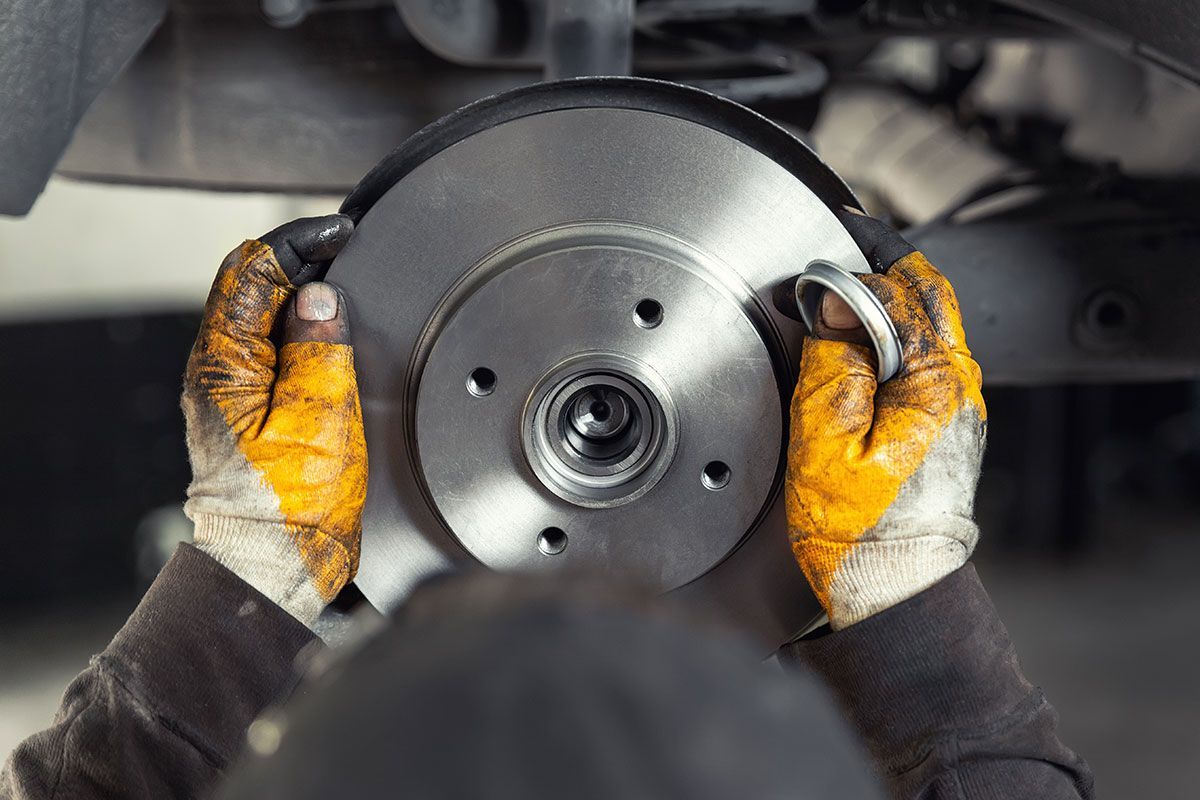
One common cause is worn-out brake pads. As pads wear down, metal parts may make contact with other metal, resulting in squeaking. This is a sign that replacement is necessary.
Environmental factors can also affect brake noise. Humidity and temperature changes can create temporary squeaks. While this might not indicate a problem, persistent noise should be checked.
Another reason could be glazed rotors or brake pads. Excessive heat can glaze brake parts, causing a high-pitched squeal. This often requires a more involved repair process to resolve.
Accumulation of dust and debris is another culprit. As these particles gather on brake components, they can cause noise. Regular cleaning can prevent this from becoming an issue.
Here's a quick list of common causes:
- Worn-out brake pads: Metal-on-metal contact.
- Glazed parts: Excessive heat and noise.
- Dust buildup: Simple but noisy.
- Environmental factors: Temp and humidity changes.
- Improper installation: Misaligned pads can squeak.
Understanding these reasons helps you address the issue effectively. Keeping brakes in check ensures safety and comfort on the road.
Squeaking Brakes Warning: When to Pay Attention
Squeaky brakes aren't just annoying; they could signal a more serious issue. It's important to recognize when the noise is a warning sign.
A persistent squeak often indicates worn brake pads. Brakes are designed to give a squeak as an alert to replace pads. Ignoring this early warning might lead to costly repairs later.
Pay attention to changes in noise patterns. Sudden or severe noises may suggest immediate attention. Routine inspections ensure components stay in good shape.
Here are key warning signs to note:
- Continuous noise: Could be brake pad wear.
- Louder sound than normal: Check components.
- New or unusual sounds: May need prompt action.
Addressing squeaky brakes promptly prevents further damage and ensures driving safety.
How Long Do Brake Pads Last?
The lifespan of
brake pads varies significantly. Generally, they last between 30,000 to 70,000 miles.
Driving habits play a crucial role in determining longevity. Aggressive braking or frequent stop-and-go traffic can shorten pad life.
Other factors, such as road conditions and pad material, also influence durability. Some materials wear out faster but offer quieter performance.
Here's what affects brake pad lifespan:
- Driving style: Aggressive vs. gentle braking.
- Material type: Organic, semi-metallic, ceramic.
- Environmental conditions: Dust, road debris.
Regular inspections are essential. They help determine when brake pads should be replaced, ensuring vehicle safety and performance.
The Role of Brake Fluid in Brake Noise
Brake fluid plays a vital part in the braking system. It helps transfer force into pressure when you press the brake pedal.
A well-maintained hydraulic system relies on clean, moisture-free brake fluid. Moisture can lead to rust and affect performance, resulting in noise.
Contaminated or degraded brake fluid could contribute to squeaking. This is especially true if it impacts the system's efficiency.
Here's how brake fluid impacts brake noise:
- Contamination: Dirt and moisture cause issues.
- Pressure loss: Reduces braking effectiveness.
- Corrosion: Damages system components.
Regular brake fluid checks ensure optimal function. Inspecting and flushing as needed will help prevent unnecessary noise and maintain safety.
When to Change Brake Fluid and What It Costs
Changing brake fluid is essential for maintaining brake safety. Manufacturers often recommend a change every two years. This helps prevent moisture buildup that can corrode components.
The cost of brake fluid replacement can vary, depending on the vehicle and location. However, it is generally a small investment compared to potential repairs.
Key factors influencing cost include:
- Vehicle make and model: Different requirements affect pricing.
- Type of service center: Dealer versus independent shop.
- Location: Prices can vary by region.
Investing in timely brake fluid service ensures your brakes function properly and quietly. Consult your vehicle manual for specific recommendations.
Solutions: How to Fix Squeaky Brakes
Fixing squeaky brakes starts with a thorough inspection. Identify the root cause to determine the best solution. This could involve cleaning the brake components to remove dust and debris.
If cleaning doesn’t resolve the issue, consider replacing the brake pads. Choose high-quality pads that are less prone to noise. It's also important to ensure proper installation during replacement to prevent squeaking.
Here are common solutions for squeaky brakes:
- Clean brake components: Remove dust and debris.
- Replace brake pads: Use high-quality options.
- Ensure correct installation: Prevent misalignment.
Regular maintenance and using quality parts help keep brakes quiet. However, persistent noise warrants professional assessment to rule out serious issues.
When to Seek Professional Help
Persistent brake noise after trying simple fixes is concerning. If squeaking continues, consult a professional mechanic. They can diagnose and resolve the underlying issues.
Ignoring ongoing brake noises can lead to more severe problems. Professional help is essential when you notice changes in braking performance or unusual sounds.
Seek professional assistance if:
- Noise persists: After cleaning or simple fixes.
- Performance drops: Feels different when braking.
- New sounds occur: Unusual or alarming noises.
Conclusion: Keep Your Brakes Quiet and Safe
Understanding why brakes squeak helps you address issues promptly.
Regular maintenance is crucial for safety and performance.
Don't ignore squeaky brakes. Timely intervention prevents further damage and costly repairs, ensuring your driving remains smooth and worry-free. Maintaining quiet and efficient brakes is essential for peace of mind on the road.